Trend Focus
addtimes:2025-11-24 click:376 author:Gimsun
When Dior met lenticular printing technology, a unique visual feast for retail window displays began. This article explores how lenticular printing gives Dior window art a soul and creates an unforgettable experience.
Lenticular printing, also known as naked-eye 3D printing, uses a special lenticular substrate to produce three-dimensional or dynamic visual effects. The core principle is to use the lensing effect of the lenticular panel so that the viewer's left and right eyes see different parts of the same image, which the brain then synthesizes into a 3D or motion picture.
· Stereoscopic 3D effect: the image displays deep depth and a realistic sense of three-dimensionality. Without wearing equipment, the picture seems to come alive on the surface.
· Dynamic transformation effect: as the viewing angle changes, the image can smoothly switch between two or more frames, achieving animation-like transformation.
Small-format lenticular printing is often used for premium packaging, luxury business cards, art albums, and limited-edition promotional materials, giving small items stunning visual depth and interactive appeal.
Large-format lenticular printing is suitable for large-scale advertising, mall atrium installations, retail brand window displays, and art exhibitions. Its unique visual impact instantly captures the attention of passersby.
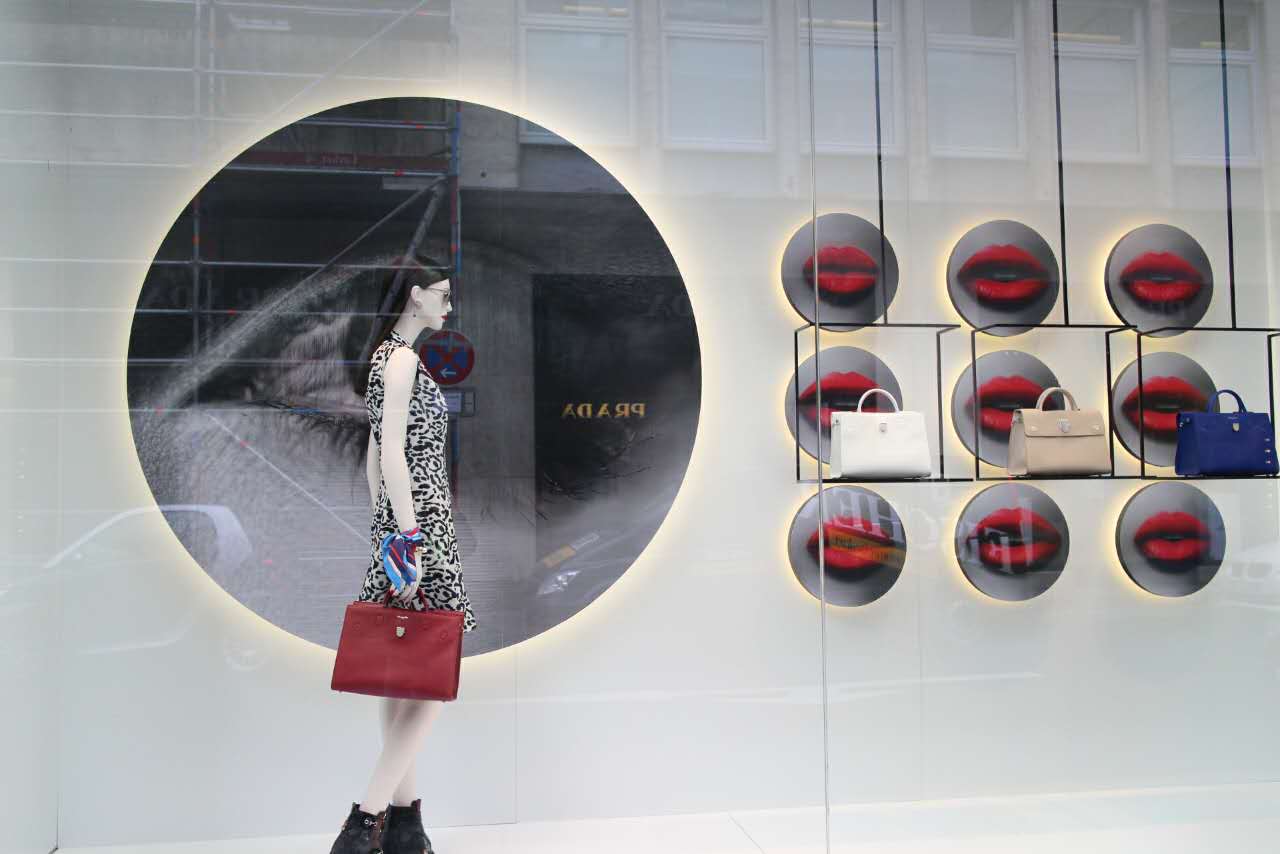
The display window uses gray and bright red, focusing on the core concepts of "EYE" and "LIP." As a globally unified project, the display measures up to 3 feet by 3 feet. Seamless image switching at this scale demands extremely high standards for lenticular materials, printing format, and multi-layer graphics.
As viewers pass by, the eyes and red lips move through a smooth dynamic cycle of "closed — slightly open — fully open — gradually closed — closed," vividly showing the unique display. It combines art and technology to create a high-end window experience with immersion and interactivity. This innovation not only strengthened Dior's exploratory image in window displays but also deepened brand memory worldwide through highly recognizable visual effects.
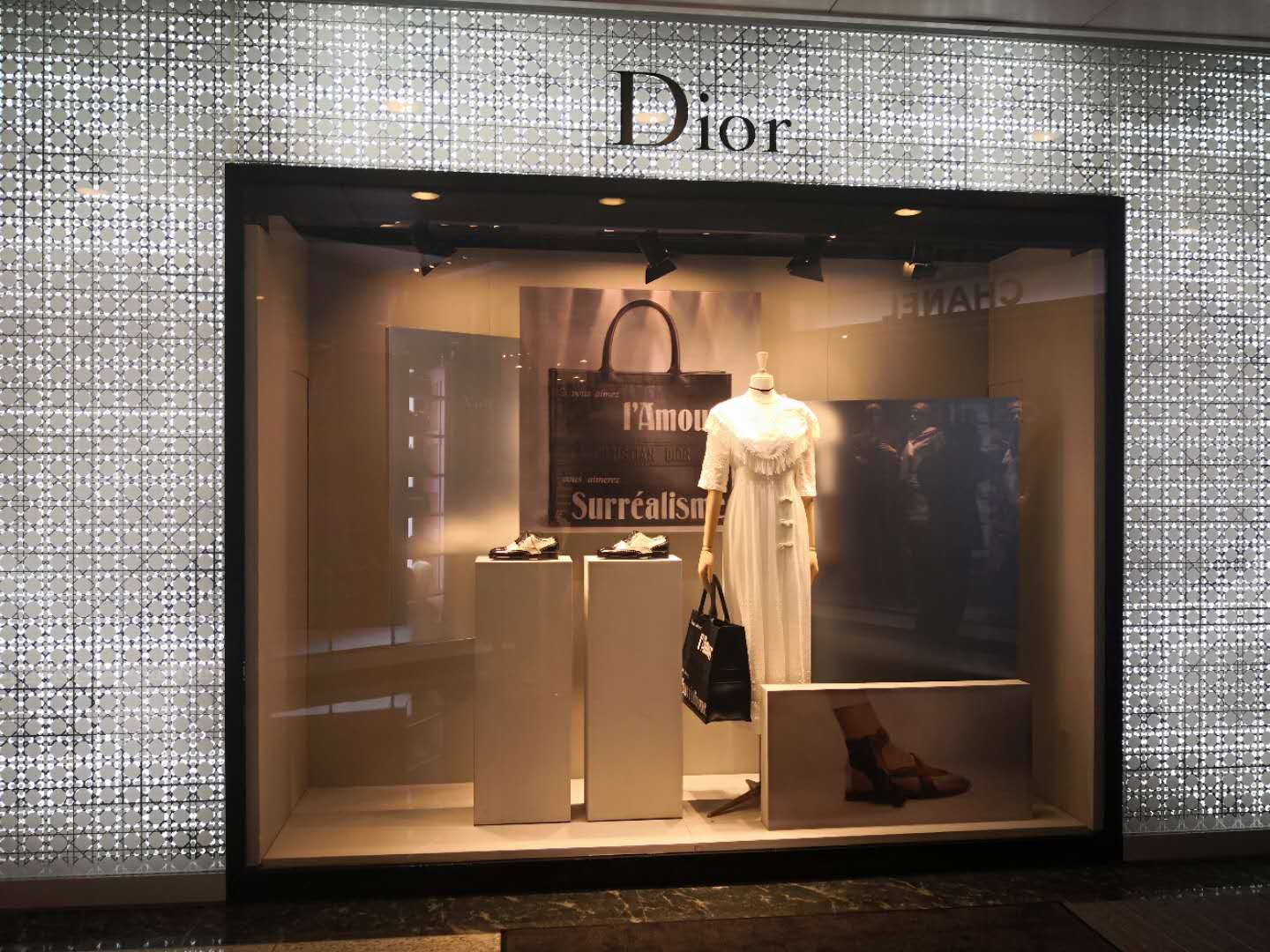
This lenticular window display uses unique optical technology and artistic creativity to present two flagship new products. When viewers walk past from different angles, the product styles and model images naturally switch, as if flowing between reality and illusion, giving static display a dynamic visual rhythm.
The core of this captivating transformation lies in layering and interweaving two or more images through the lenticular panel. Each image is divided into fine strips and arranged behind the lenticular medium. As the viewer moves, the lens refraction at different angles allows the eye to instantly capture different images, achieving a smooth "image switching" effect. To achieve Dior's clear, sharp, and non-blurred visual experience, precise material selection, image layering, and angle calibration during installation are required.
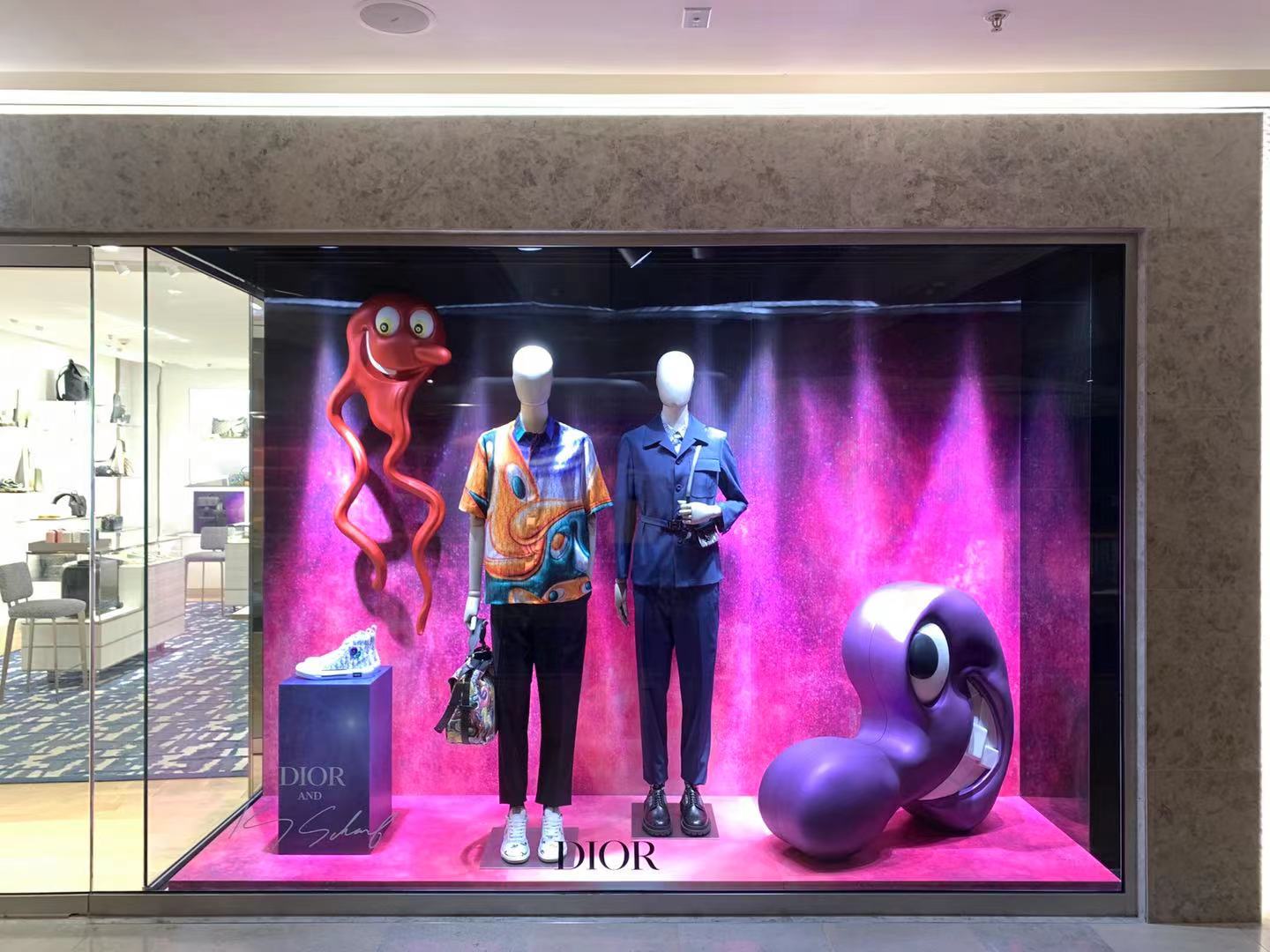
With advanced lenticular image-switching techniques, the brilliant star river is captured in a compact space, creating a dreamlike flowing universe. As pedestrians pass by, the scenes in the window change—nebulae swirl and star trails weave—to create a deep and immersive visual experience.
This magical effect also comes from lenticular printing technology. The designer layered multiple images of stars, trails, and key items, achieving seamless switching through the lenticular panel's refraction. Each shift in perspective feels like an interstellar journey, presenting a different narrative scene and creating dynamic depth of space and time in a static window display. Passersby stop to linger because of this "moving starry sky."
The perfect combination of lenticular printing and Dior window displays is not only a cross-border integration of technology and art, but also an upgrade in brand marketing. It breaks the boundary between commerce and art with dynamic visual language, successfully elevating the window display from product presentation to creative art.